



The Italian Easter Egg: A Sweet Tradition Rooted in History and Craftsmanship
When travelers think of Easter in Italy, they often imagine grand religious processions, picturesque villages, and rich culinary traditions. Yet one of the most beloved—and uniquely Italian—symbols of the holiday is the Easter egg, or “uovo di Pasqua.” Unlike the simple candy eggs common in the United States, Italy’s Easter eggs are a blend of history, artistry, and delightful surprise.
Ancient Roots Meet Italian Tradition
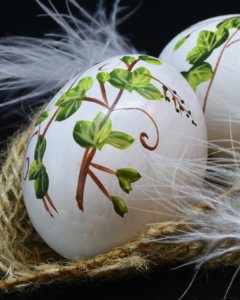
Eggs have long represented life, rebirth, and renewal—concepts deeply tied to spring. With the spread of Christianity, this symbolism became associated with Easter, representing the resurrection and new beginnings.
During the Middle Ages in Europe, the tradition of gifting eggs began to take shape. Eggs were often decorated and exchanged as symbolic presents, marking the end of Lent and celebrating renewal. Over time, this custom became deeply rooted in Italian culture.
From Noble Gifts to Chocolate Masterpieces
In earlier centuries, Easter eggs were not only made of food. Among aristocratic families, it became fashionable to gift elaborately decorated eggs crafted from precious materials such as gold and silver. These luxurious objects symbolized wealth, status, and artistic refinement—an early precursor to today’s high-end Easter creations.
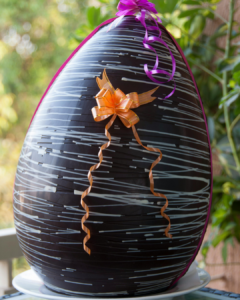
By the 19th and early 20th centuries, Italian chocolatiers transformed this tradition into something both accessible and delicious: the hollow chocolate egg. This innovation turned a symbolic object into an edible work of art, paving the way for one of Italy’s most iconic Easter treats.
The Magic of the Surprise
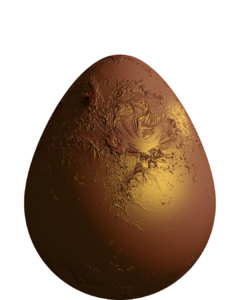
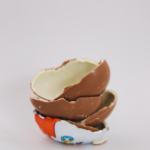
One of the most distinctive features of the Italian uovo di Pasqua is the surprise hidden inside. This idea became especially popular in Europe in the 19th century, inspired by the tradition of decorative eggs that concealed small gifts within them.
In Italy, this concept evolved into a beloved ritual: cracking open the chocolate shell to discover a hidden present. From toys for children to thoughtful or even luxurious gifts for adults, the surprise adds excitement and meaning to the experience.
A Celebration of Craftsmanship
Italian Easter eggs are often beautifully wrapped in colorful foil and ribbons, making them as visually striking as they are delicious. Many local pastry shops and artisan chocolatiers create handmade eggs, carefully molding and decorating each one.
In cities and towns across Italy, especially in regions known for culinary excellence, visitors can find unique, handcrafted eggs that reflect local flavors and traditions. This makes Easter an ideal time for food lovers to explore Italy’s artisanal culture.
A Social and Family Tradition
In Italy, exchanging Easter eggs is more than just a treat—it’s a meaningful gesture. Families and friends give eggs as gifts, often choosing them carefully based on the recipient’s tastes or the surprise inside.
Children eagerly anticipate opening their eggs on Easter morning, while adults enjoy the shared experience and the high-quality chocolate Italy is famous for.
Why It’s a Unique Experience for Travelers
For American travelers, the Italian Easter egg tradition offers something refreshingly different. While Easter in the U.S. often focuses on egg hunts and pastel-colored candies, Italy emphasizes craftsmanship, quality, and the joy of gifting.
Visiting Italy during Easter allows travelers to experience this tradition firsthand—browsing local shops filled with beautifully packaged eggs, tasting premium chocolate, and discovering the excitement of the hidden surprise.
A Taste of Italy’s Cultural Sweetness
The Italian uovo di Pasqua is more than just a holiday dessert—it’s a reflection of the country’s love for beauty, tradition, and shared moments. Whether purchased in a small village shop or a renowned chocolate boutique, each egg tells a story of heritage and creativity.
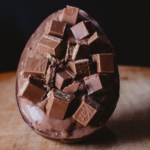
And there truly is an Easter egg for everyone: from affordable options found in supermarkets to luxurious, high-end creations by master chocolatiers. Some are enriched with hazelnuts or pistachio, others are hand-painted or wrapped in elegant designs, and many are branded with popular characters for children. No matter the style or price, one element is always guaranteed—the irresistible surprise hidden inside!

Ready to discover Italy and its uniqueness?